FLYWHEELFLYWHEELFLYWHEELFUND IFUND IFUND I

One Investment.Two New Income Streams.

Your equity stake pays you twice.

Operational savings or revenue increases in your core business from day one, capital gains at exit of an already existing company. That's the Flywheel Model.

Hubs where we source startups & integrate

Operational GainsMeet Capital Returns.

One cheque. Two compounding revenue streams.

Invest €100K as equity into a startup whose product you use. Save 40% on vendor costs every year. Cash out at exit. Other funds give you one return — we engineered two.

Hubs where we source startups & integrate
Scroll

Exclusively for business owners

Investing in your own business will always be the best investment you'll ever make.
you've just got to do it the smart way.

Stop investing in lottery tickets. Start owning the flywheel — Operational VC turns every euro you deploy into both an operational win and equity upside.

Traditional VC

The Old Way

Wire the money. Walk away. Wait a decade.

  • Spray & Pray

    Capital scattered across dozens of bets. Most fail, the investor adds nothing, and the money gets lost.

  • Funded & Forgotten

    8 in 10 portfolio companies die within four years after investment and never return money to the investor.

  • Idle for a Decade

    Capital locked 7–10 years. No in-between cash flows, no exits, no liquidity.

Operational VC

The Flywheel Way

Save today. Earn equity. Compound forever.

  • One Euro, Two Benefits

    The same euro delivers both operational cash flows and profits, and an equity stake that compounds and liquidates over time — typically two to three years.

  • Plugged Into Your Business

    Each portfolio company is integrated as a vendor or partner inside your operations — cutting costs or unlocking revenue in your core business.

  • Working From Day One

    No 10-year wait. Capital starts producing measurable P&L impact in quarter one and keeps compounding — with a big lump-sum cash event at the end of the investment lifecycle.

The outcome

Day-One Impact

Operational savings or revenue lift in your core business from day one.

Equity Upside

Equity upside on every euro deployed — you own the asset, not just rent it.

Compounding Portfolio

A portfolio that compounds — not waits — with liquidity events along the way.

The Solution

The Flywheel Model

Three steps that turn passive capital into a compounding engine — where every euro works twice.

Invest

01

Deploy capital as equity into a vetted startup — the same budget you'd otherwise hand to a vendor on a yearly contract. Except now, you own the asset.

Own the asset

Integrate

02

Their product goes live in your operations from week one. They get a paying customer and real usage data; you get a tool that starts paying for itself.

Live from week one

Compound

03

Every quarter, you book operational savings. At exit, you realize capital gains on the equity you bought — two return streams from one single cheque.

The Double Dip

The "Double Dip" Effect

Same capital, two return streams

Traditional Approach
€100K=€0 Returned

Vendor Expense or R&D Budget — Gone

Money handed to a vendor or burned in R&D to bring new solutions into your business. No equity, no upside, no exit value — just an invoice at the end of every month.

Flywheel Approach
€100K=Annual Profits+Exit Proceeds

Equity Stake + Uncapped Operational Gains + Exit Upside

The same €100K buys an equity stake, generates annual profits from day one, and pays out an exit windfall that compounds — model your own numbers in the calculator below.

Calculator

Model Your Returns

Adjust the inputs and see how the Flywheel compounds operational savings with equity appreciation — benchmarked against just paying a vendor.

The formula

TraditionalVendor Cost×Years
FlywheelAnnual Profits×Years+Equity×Exit MultipleEquity Invested

Verdict

At year 3, the Flywheel beats vendor spend by

+€910K
4.1× ROIPayback in 15 mo

Parameters

Capital

Capital deployed as equity instead of vendor spend

Multiple realised on the equity stake at exit

x

Holding period before the equity stake liquidates

years

Operations

What you pay vendors per year for this capability

Share of vendor spend eliminated by the startup's tool, per year

%

Annual Profits

Vendor Cost × % Saved

€80K

FlywheelTraditionalAdvantage Gap
Traditional Approach
€600K=€0 Returned

Vendor Cost over 3 years — Sunk

Net position

€600K

= Vendor Cost × Years

Flywheel Approach
€410K=€240K+€170K

Annual Profits + Exit Proceeds

Net advantage

+€910K

ROI

4.1×

Payback

15mo

= Profits × Years + Equity × Multiple − Equity

Proof

Numbers Don't Lie

Real results from our first completed flywheel cycle — from investment to exit.

0x

Exit multiple achieved

0

Days from invest to exit

0K

Operational savings unlocked

0x

Faster capital recycling vs. traditional VC

Case Study

First Flywheel Cycle

An operating partner invested €100K in a supply-chain SaaS startup and deployed it across their operations the same month. Within 210 days they cut logistics costs by 60% and exited at a 1.7x multiple.

The startup launched with validated revenue from day one. The exit capital was recycled into the next flywheel cycle — compounding returns, not parking them.

We have several more case studies like this one and are happy to share more details on request.

Capital Velocity

Traditional VC

7-10 years

Flywheel

6-18 months

For SME Owners

Why Partners Join the Flywheel

Three layers of value that make the Flywheel the smartest way for SMEs to invest and operate.

01

Shared Services

60%burn rate reduction

Legal, finance, HR, compliance — pooled across the portfolio. Enterprise-grade back-office at a fraction of the cost.

02

The "Free" Tool

€0net software cost

Your equity investment IS the vendor payment. Same operational tool, but you own a stake. Net software cost: zero.

03

De-Risked by Design

7-10partners per deal

No partner commits alone. If nobody will be the launching customer, the deal doesn't happen. Real demand or no deal.

Traditional VC vs. Flywheel

Traditional VC
Flywheel
Capital locked
7–10 years
6–18 months
Investor role
Passive bystander
Active customer
Revenue at entry
Zero
Day one
Operational savings
None
Up to 60%
Risk validation
Market guesswork
Hard demand gate

The Evolution

From Batch to Flywheel

Three versions of venture capital — each one a step closer to how investing should actually work.

Version 1.0

The Batch

Investment Style

Bet on 30 companies, hope for 1 winner

Investor Role

Wire money, disappear for a decade

Revenue Generation

Zero — startup fends for itself

Risk Profile

All risk, no demand validation

Value Creation

Hope-based — pure speculation

Version 2.0

The Advisor

Investment Style

Smaller portfolio, some guidance

Investor Role

Occasional intros, advisory calls

Revenue Generation

Warm referrals, no commitments

Risk Profile

Partially de-risked via network

Value Creation

Incremental — capital still passive

Current Model

Version 3.0

The Flywheel

Investment Style

Equity replaces vendor spend — you own, not rent

Investor Role

Launching customer + strategic partner

Revenue Generation

Guaranteed first revenue from day one

Risk Profile

Hard demand gate — no buyer, no deal

Value Creation

Compounding — savings + equity upside

Risk Mitigation

Built to De-Risk

Three structural safeguards — not disclaimers, not projections. Real mechanisms that reduce risk before capital is deployed.

01

"Hard Demand" Gate

No capital moves until a partner commits as launching customer. No real demand = no investment. The #1 startup killer eliminated before a single euro is deployed.

02

Shared Risk, Shared Reward

7–10 partners co-invest €100K each. Built-in customer base, diversified exposure, no single point of failure.

03

Operator-Level Visibility

You use the product daily. You see traction and problems in real time — not through quarterly slide decks.

3 Structural Safeguards — Not Just Fine Print

The Team

Operators backing operators

A team that blends decades of hands-on operating experience with disciplined asset management.

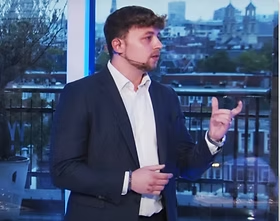
Kauan Von Novack — Co-Founder, Flywheel Fund

Kauan Von Novack

Co-Founder, Flywheel Fund

17x founder with 2x exits, 4x IPOs and 2x M&A across global markets. CEO of Hypernova — 2x Financial Times Top Startup Hub. Three-time published author and lifelong operator turning bold ideas into real businesses.

LinkedIn
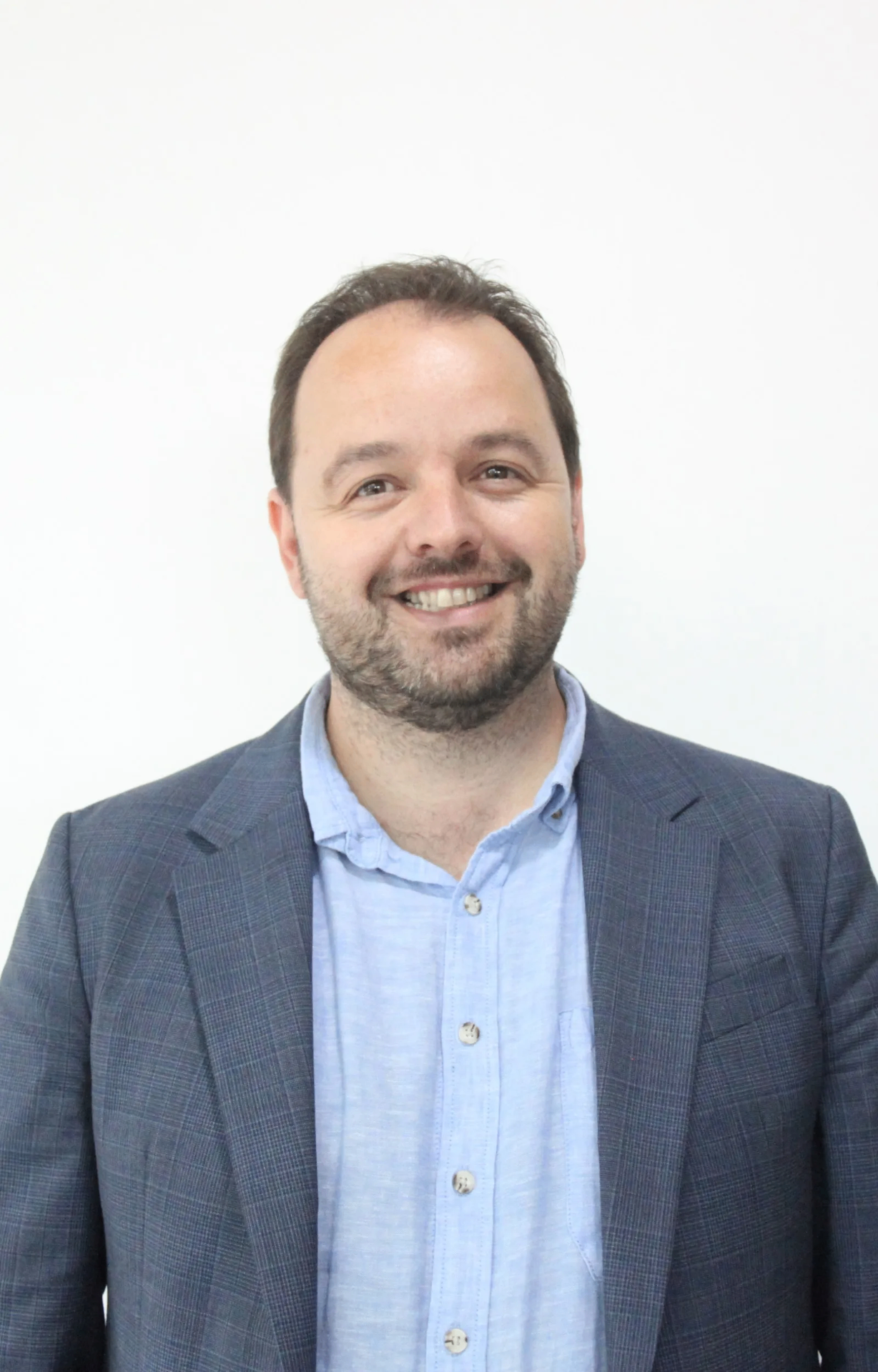
Joey Moreau — Co-Founder, Flywheel Fund

Joey Moreau

Co-Founder, Flywheel Fund

Managing Partner at More Ventures and Co-Founder of Bizdex. Former Group COO at Startupbootcamp, scaling 30+ programs and listing multi-million euro funds on the stock exchange.

LinkedIn
Simão Calado — Co-Founder, Flywheel Fund

Simão Calado

Co-Founder, Flywheel Fund

Founder of ALLPROCARE and Board Member at Acelera Portugal by Hypernova. Connector of operators, capital and ideas. Builds partnerships that turn into long-lasting, successful businesses.

LinkedIn

Asset Manager

Regulated by Plural

Flywheel Fund is regulated by Plural, a licensed asset manager bringing institutional-grade governance to every investment.

Visit Plural

Invest

Choose your allocation

Secure your spot in Flywheel Fund I. Pay securely via Stripe.

Join the Flywheel

Stop Spending. Start Owning.

Convert your vendor budget into equity. Every euro works twice — savings today, returns at exit.

Backed by 7+ SME partners across Europe